The Hidden Danger of Chewed Wiring from Rodents in Your Attic
Why a Small Gnaw Can Lead to Big Problems
If you live in Cleveland TN, you know the seasons change and the critters look for warmth. A few years back, I got a call from a homeowner who had lost power in half his house. The breaker kept tripping, and no amount of resetting fixed it. When I climbed into the attic, I found the culprit: chewed wiring from rodents. A family of mice had turned the junction box into a nest, and the insulation on the wires was stripped clean. The copper was exposed, and it was a miracle the place hadn't caught fire.
That call stuck with me because it showed how something as small as a mouse can cause a huge, expensive problem. Most people think of rodents as a nuisance because of the noise or the droppings. But the real danger is often hidden behind walls and above ceilings. Chewed wiring from rodents is one of the most common yet overlooked threats in homes, especially during the colder months when rats and mice move indoors.
The Telltale Signs of Rodent Activity
Before you can fix the problem, you have to know it exists. Many homeowners don't realize they have rodents until they see one scurry across the kitchen floor. But by then, the damage may already be done. Look for gnaw marks on wood, plastic, or drywall. Check for droppings in the attic, crawl space, or garage. Listen for scratching sounds at night, especially near soffit vents or ridge vents. Those vents are common entry points because they provide access to the warm, dark spaces rodents love.
One of the most telling signs is the presence of chewed wiring from rodents. If you see frayed wires in the attic or near the electrical panel, you have a serious issue. Rodents gnaw on wires for two reasons: to keep their teeth from overgrowing and because they mistake the plastic coating for food. The result is exposed copper that can arc and spark, leading to electrical fires. The National Fire Protection Association estimates that rodents cause thousands of house fires each year, and most of them start in the attic or crawl space.
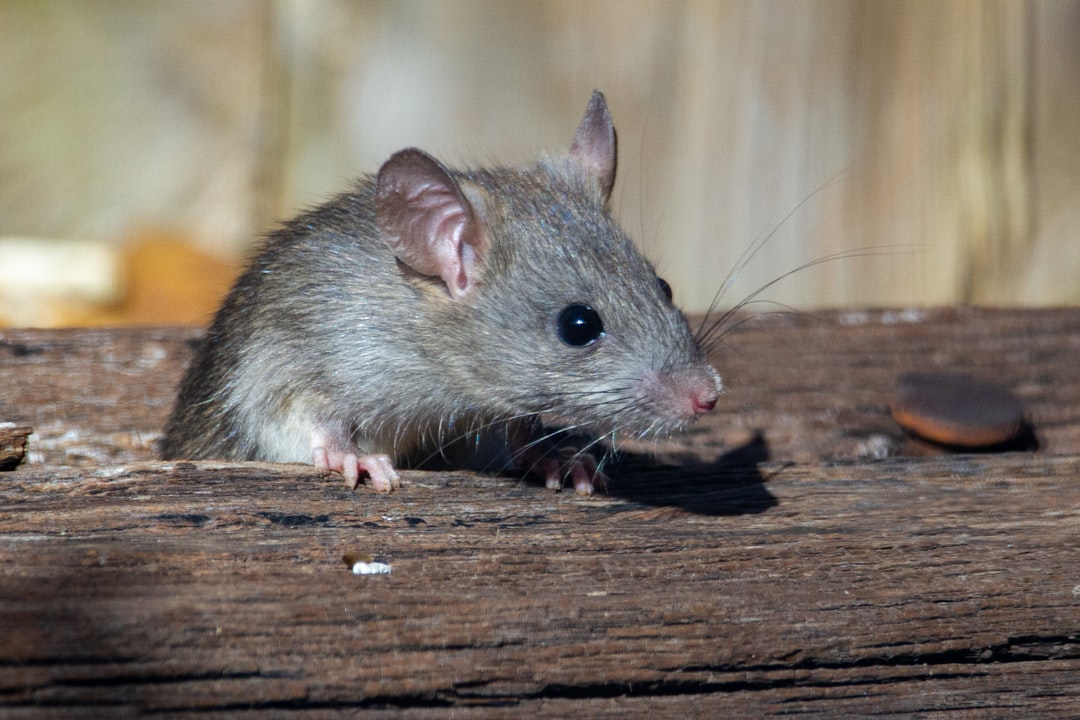
Why Mouse Damage and Rat Bite Risks Go Beyond the Wire
While the fire risk is the most urgent concern, rodent damage doesn't stop at wiring. Mice and rats will chew through drywall, insulation, and even PVC pipes. I once worked on a house where a rat had chewed through a water line in the crawl space, causing a slow leak that rotted the subfloor. The homeowner had no idea until the floor started to sag. That repair cost thousands, and it all started with a small hole in a gable vent that the homeowner thought was harmless.
There is also the health risk. Rodents carry diseases, and their urine and droppings can contaminate insulation and drywall. A rat bite is rare but possible, especially if you disturb a nest while cleaning. More common is the spread of bacteria through droppings and urine. When you combine mouse damage with the risk of electrical fire, it becomes clear that rodent control is not just about convenience. It is about protecting your home and your family.
The Right Approach: Rodent Exclusion and Structural Repair
Once you have identified the problem, the next step is to keep the rodents out. This is where rodent exclusion comes in. Exclusion means sealing every possible entry point so that rodents cannot get inside. It is a more effective long-term solution than trapping alone, because trapping only removes the animals that are already inside. If you don't seal the holes, new rodents will keep coming in.
Entry point identification is the first step in any good exclusion service. You need to walk the perimeter of the house and inspect the roof, soffits, ridge vents, and gable vents. Look for gaps larger than a quarter inch, because mice can squeeze through a hole the size of a pencil. Rats need a slightly larger opening, but not by much. Once you find the gaps, you need to seal them with durable materials. Steel wool is a good temporary fix because rodents cannot chew through it. But over time, steel wool rusts and falls apart. Copper mesh is a better choice because it does not rust and it holds its shape. You can stuff copper mesh into gaps and then cover it with caulking to create a tight seal.
Structural repair is often needed to fix damage that rodents have already caused. This might mean replacing chewed wood, fixing damaged vents, or repairing holes in the soffit. If the wiring has been chewed, you need an electrician to replace the damaged sections. Do not try to patch chewed wiring with tape. It will not hold, and it will not pass code. The only safe fix is to cut out the damaged wire and splice in a new piece with proper connectors.
Trapping and Rodent Proofing: A Combined Strategy
Trapping is an important part of the process, especially if you already have rodents inside. But trapping is not a standalone solution. You need to pair it with rodent proofing to prevent new animals from entering. A good wildlife control technician will set traps in the attic, crawl space, and basement to catch the current residents. Then they will do a thorough exclusion job to keep the next group out.
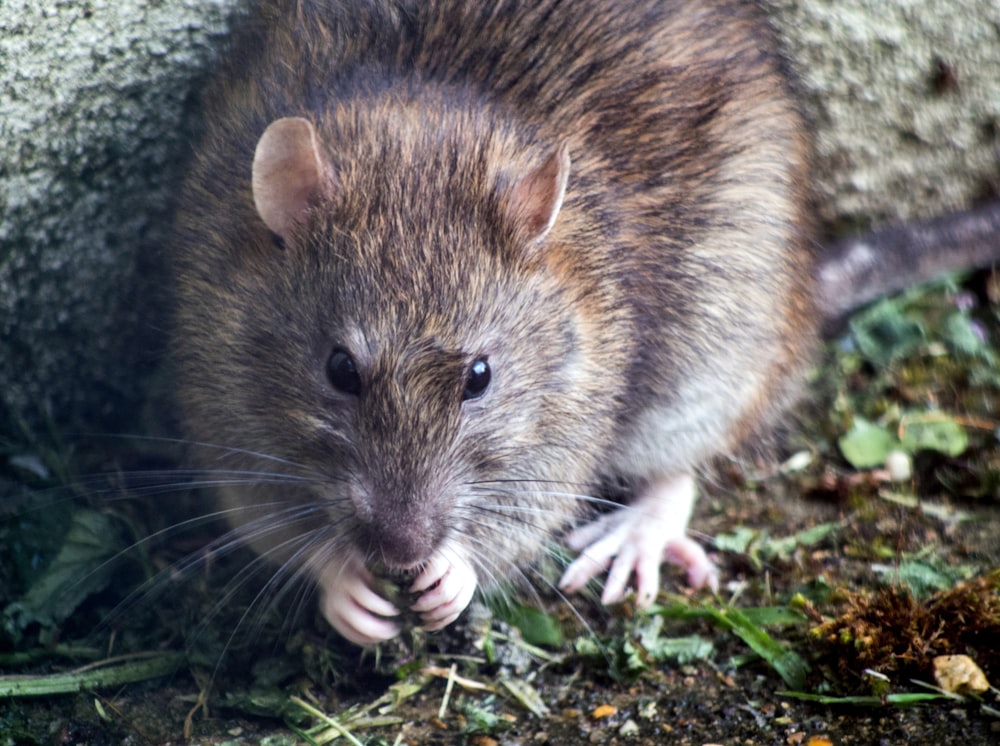
In Cleveland TN, the climate is mild enough that rodents can breed year-round, but activity spikes in the fall and winter. That is the best time to have an exclusion service done, before the cold weather drives them inside. However, if you notice signs of activity at any time of year, do not wait. The longer you wait, the more damage they can do.
Real-World Example: A Soffit Vent Failure
I remember a job in a neighborhood near the river where the homeowner had a persistent mouse problem. Every few months, they would find droppings in the attic and set traps. They caught a few mice each time, but the problem always came back. When I inspected the outside of the house, I found the issue. The soffit vent was missing a screen. A section of the vent had come loose, and the gap was big enough for a rat to squeeze through. The homeowner had never noticed because the vent was on the second floor, out of sight.
We sealed the gap with copper mesh and caulking, and then we went into the attic to assess the damage. The rodents had been living up there for months. They had chewed through several wires, and we had to call an electrician to replace them. The total cost of the repair was over a thousand dollars, and it all could have been prevented with a simple inspection and a roll of copper mesh.
What You Can Do Right Now
If you suspect you have rodents, here is a short list of steps you can take today:
- Inspect your attic and crawl space for droppings, gnaw marks, and nesting materials.
- Check the outside of your house for gaps around vents, pipes, and the foundation.
- Look for chewed wiring from rodents near junction boxes and along rafters.
- Seal small holes with copper mesh and caulking, not with spray foam alone.
- Call a professional for entry point identification and exclusion service if you find signs of activity.
These steps will not solve every problem, but they will give you a good starting point. Rodent control is a process, not a one-time fix. It requires vigilance and sometimes professional help.

Final Thoughts on Protecting Your Home
Rodents are persistent, but they are not invincible. With the right combination of trapping, exclusion, and structural repair, you can keep them out for good. The key is to act early and to focus on prevention rather than just removal. Every dollar you spend on rodent proofing now will save you ten dollars in repairs later. And more importantly, it will protect your family from the fire and health risks that come with an infestation.
If you live in Cleveland TN and need help with rodent control, look for a company that specializes in exclusion and structural repair. Hiwassee Pest Control is one example of a local service that understands the specific challenges of this area. They focus on trapping, entry point identification, and structural repairs to prevent reinfestation. That kind of approach is what makes the difference between a temporary fix and a long-term solution.